Selling
The Seller's Guide
How to price, prepare and launch your home so it sells for the most money with the fewest surprises.
You only get one launch. The first two weeks on the market are when buyer attention is highest, so the work you do before the sign goes up has more impact on your result than almost anything after. Here’s how I approach it.
1. Get clear on your goals and timing
Are you buying another home at the same time? Relocating? Downsizing? Settling an estate? Your timeline and what happens next shape the strategy: when to list, whether to buy first or sell first, and which terms matter most when offers arrive.
2. Price from evidence, not hope
Pricing is the single biggest lever you control. I build a pricing recommendation from:
- Recent comparable sales: homes that actually closed, adjusted for size, condition, lot and location.
- Active and pending competition: what buyers will compare yours to this week.
- Market pace: how quickly homes are selling and how often sellers are cutting prices.
Overpricing rarely “leaves room to negotiate.” More often, it sits while better-priced homes sell, and then it sells for less after price cuts. A well-priced home draws more showings, which leads to better offers and stronger terms.
3. Prepare the home: high return first
Not every improvement pays you back. In my experience, these do:
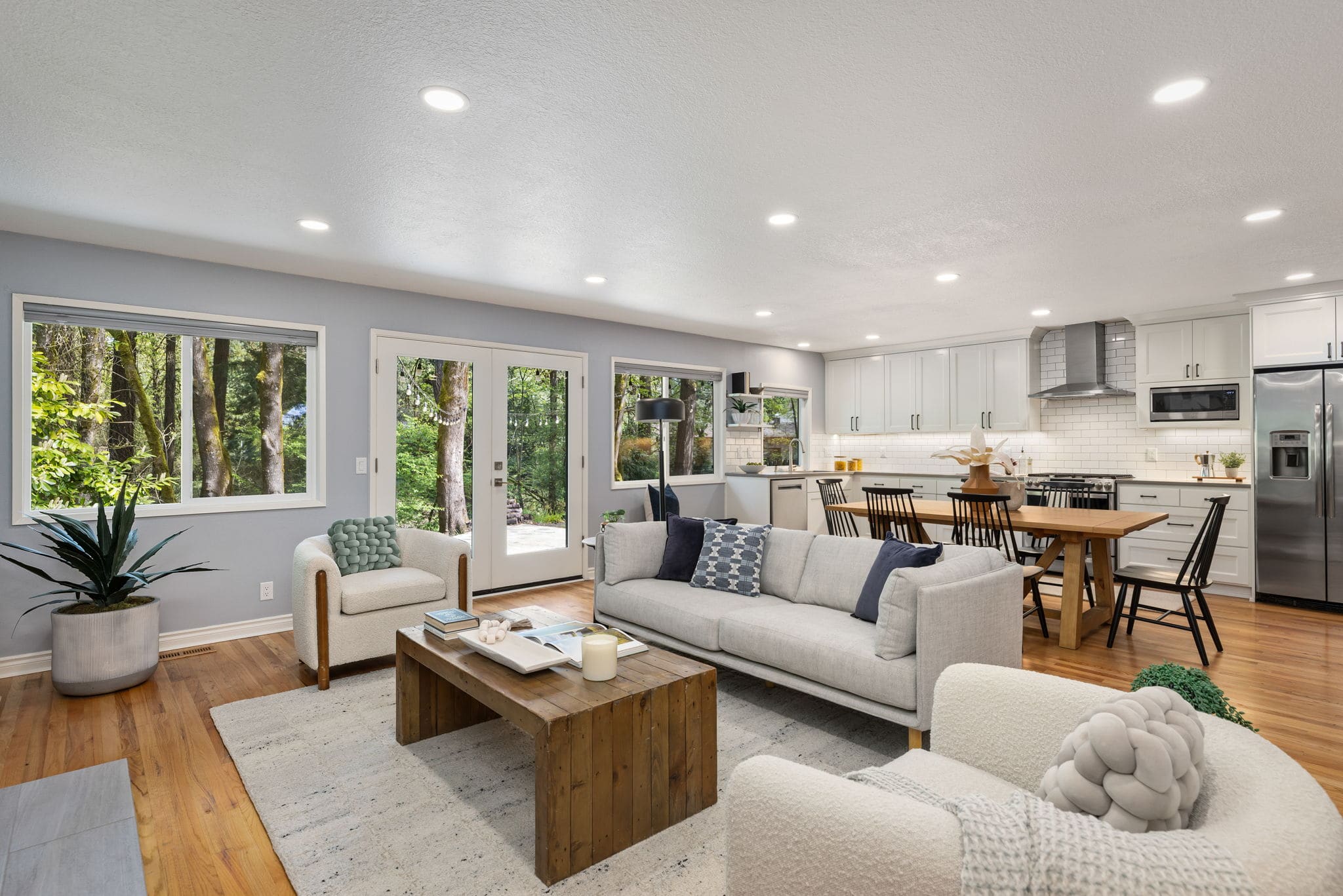
- Declutter and depersonalize. Buyers need to picture their life, not yours.
- Paint in fresh, neutral tones, especially if you have bold colors or scuffed walls.
- Fix the small things: dripping faucets, sticky doors, burned-out bulbs, missing trim.
- Deep clean, including windows, carpets and grout.
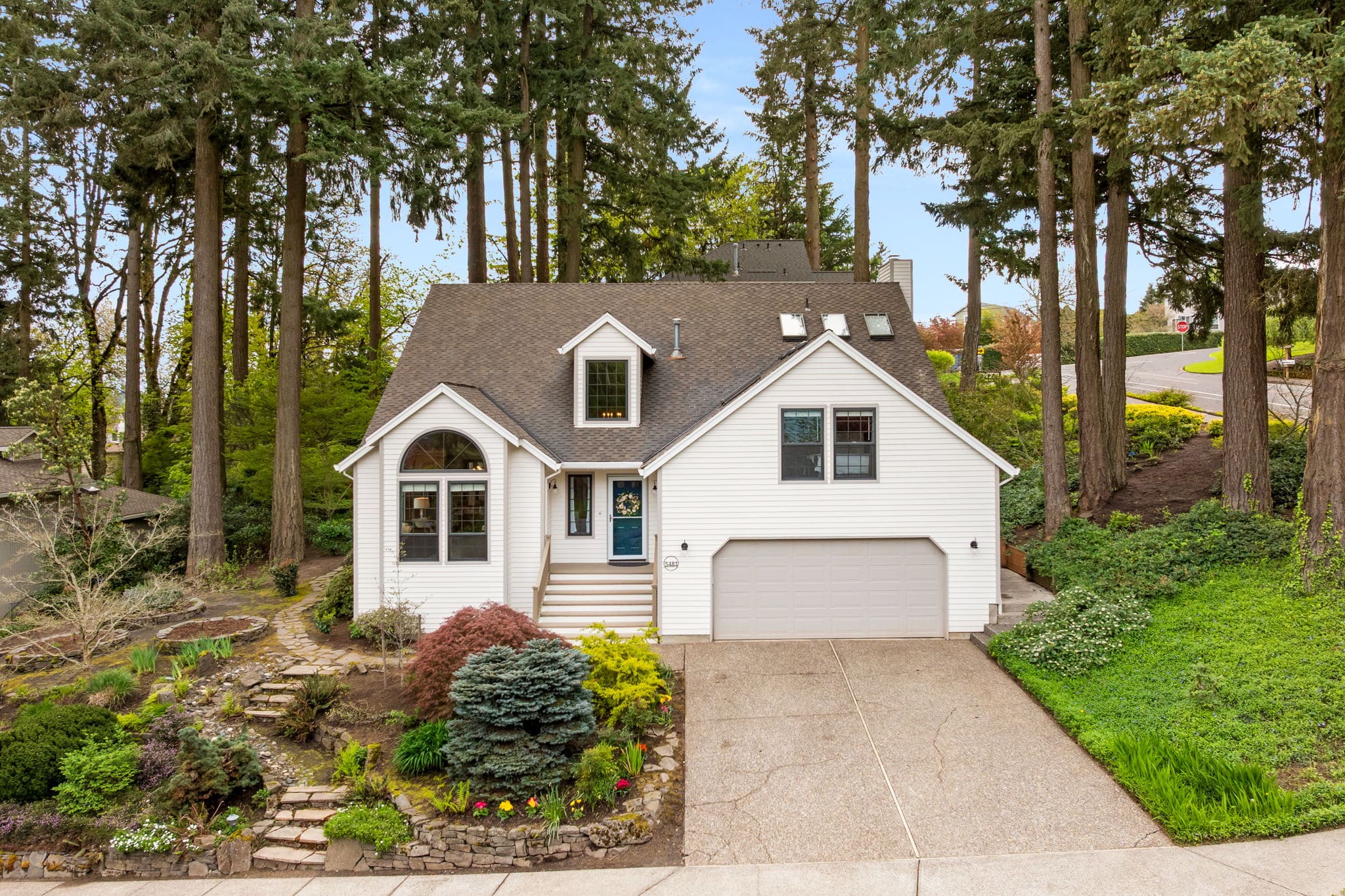
- Curb appeal: fresh bark dust, trimmed shrubs, a clean entry and a new doormat.
I can connect you with painters, cleaners, handymen and stagers I trust. For larger projects, we’ll talk through the cost against the likely return before you spend a dime.
Consider a pre-listing inspection
For older homes, a pre-listing inspection lets you find issues on your schedule instead of the buyer’s. You can fix them, price them in, or disclose them up front. All three beat a surprise during the buyer’s inspection period.
4. Disclosures
Oregon requires a seller’s property disclosure statement on most residential sales. Answer it honestly and completely, and to your actual knowledge. When in doubt, disclose. It protects you, and it builds trust with buyers. I’ll walk through it with you, but I can’t fill it out for you.
5. Launch with professional marketing
Your home gets professional photography, and video or drone where it makes sense, plus a full MLS launch and exposure through The Agency’s network. The goal is simple: make the first impression online as strong as the one at the front door.
6. Showings and feedback
Keep the home show-ready, be flexible on showing times, and plan to be out during them. I’ll share buyer and agent feedback weekly so we can adjust quickly if we need to.
7. Reviewing offers
The highest price isn’t always the best offer. We’ll compare:
| Factor | Why it matters |
|---|---|
| Net to you | Price minus any credits, concessions and costs you agree to cover. |
| Financing | Cash, conventional, FHA or VA, and the strength of the lender. |
| Contingencies | Inspection, appraisal and sale-of-home contingencies all add risk. |
| Timeline | Does the closing date line up with your next move? |
| Earnest money | A larger deposit means more commitment from the buyer. |
8. From accepted to closed
After acceptance, the buyer inspects, the lender appraises, and escrow prepares documents. I’ll handle repair negotiations, keep all parties on schedule and keep you updated. You’ll sign closing documents with escrow, typically a few days before the closing date, and hand over keys on the agreed date.
Thinking about selling, even a year or two out? I’m happy to walk your home and tell you what’s worth doing now and what to skip. Start here.